About a minute. No account. Saved only on your device.
Sample plan Family of four + dog63gal of water168meals7.2kWh a day, backup5go-bags24%ready today
Fourteen days without power
What a long outage actually asks of a house.
Storms, ice and grid failures can take the power for days. Here's how two weeks unfold, and what your plan has ready at each point.
Hour 01
Lights out.
The house goes quiet. The fridge starts to warm, and phones are at whatever charge they had. A refrigerator keeps food safe for up to four hours if the door stays shut.
Your plan has ready
A headlamp for every person
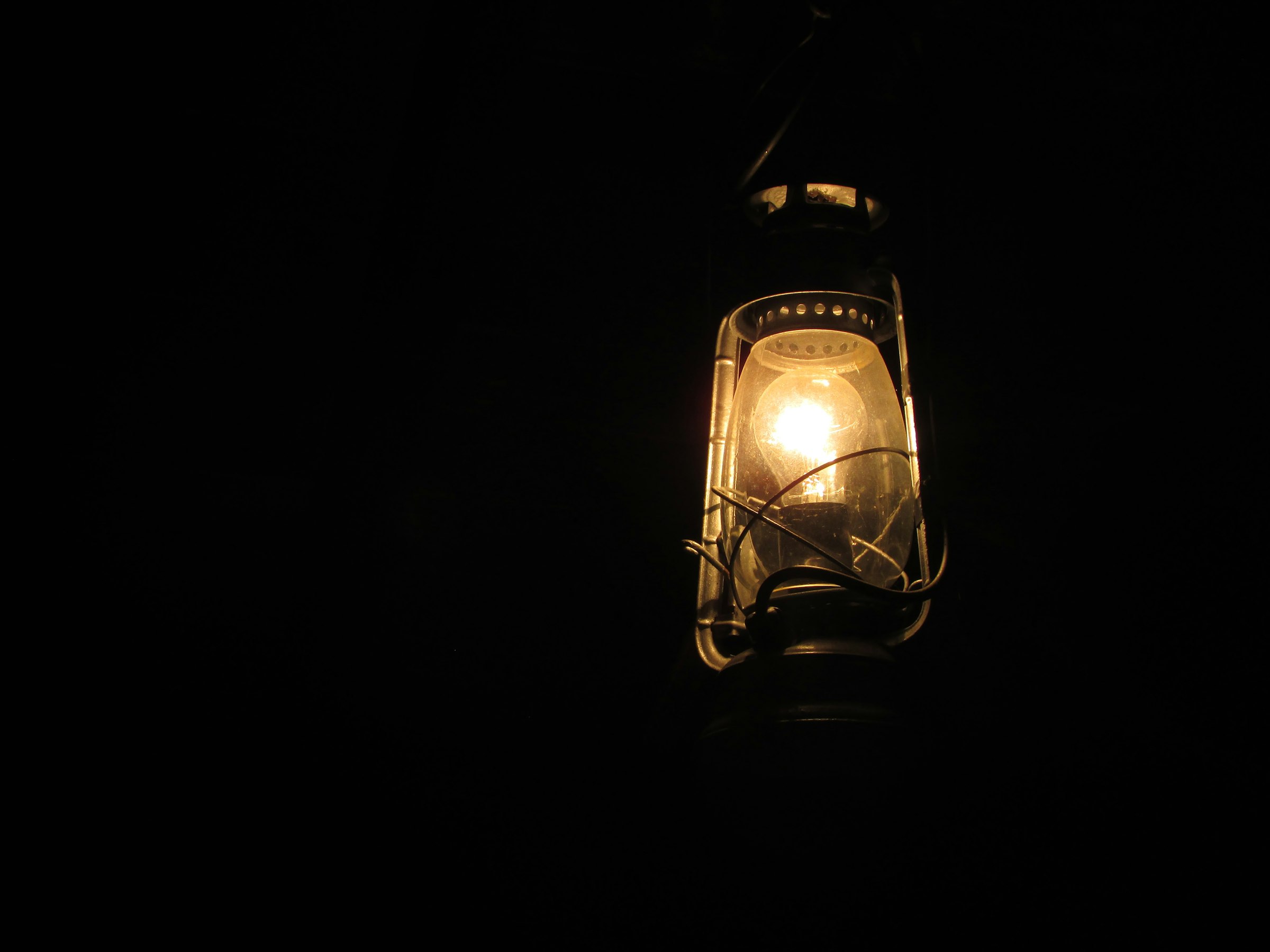
Charged power banks and a lantern
A power station sized to your fridge, phones and medical devices
Night 01
The cold sets in.
Most furnaces need electricity to run, so the heat leaves with the power. Never heat the house with the oven or stovetop, and run generators and grills only outdoors.
Your plan has ready
One room you can close off and keep warm
Cold-rated sleeping bags for everyone
Carbon monoxide alarms on every level
Day 04
The pantry carries you.
Roads are bad and shelves are thin. The household eats what it already stored, bought a little at a time on ordinary grocery runs.
Your plan has ready
A gallon of water per person per day
Two weeks of food your family actually eats
A way to cook without the grid
Day 14
Still standing.
Everyone is warm, fed and accounted for. Not because the house was lucky, but because the plan was built months ago, one paycheck at a time.
Free steps and life safety come first, so the house is safer in the first month. Big purchases wait until a savings fund covers them. Renting, short on space, or caring for someone? The plan changes to fit.
Now$288Basics covered: CO alarms, extinguishers, water, a radio, medicine
Month 3$552Two weeks of food, added on regular grocery runs
Month 6$1,017Two weeks of water stored
Month 22$3,387Fully stocked, power station included
Example household: two adults, two kids and a dog, already owning about $489 of the plan. Prices are approximate.