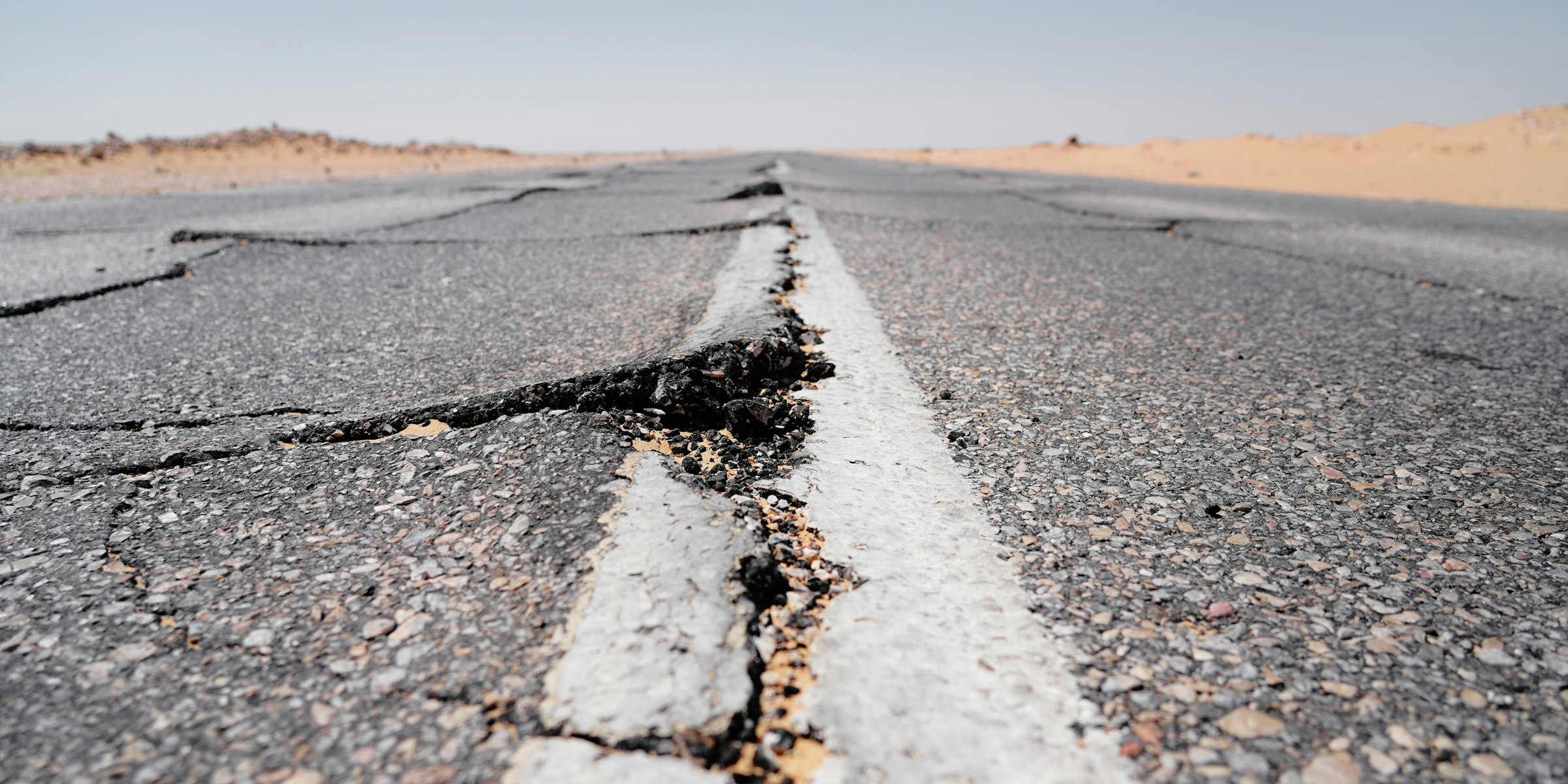
Most important
Drop, Cover and Hold On. Don't run outside during the shaking.
Before
- Practice Drop, Cover and Hold On with everyone in the house, and sign up for earthquake alerts.
- Secure heavy items such as bookcases, refrigerators, water heaters, TVs and things on walls. Keep heavy and breakable things on low shelves.
- Make a family communication plan with an out-of-state contact and a place to meet if you're separated.
- Keep a kit with several days of food and water, a flashlight, a fire extinguisher and a whistle.
- Standard homeowner's insurance doesn't cover earthquake damage. Consider an earthquake policy.
During
- Drop to your hands and knees, cover your head and neck (under a sturdy table if one's close), and hold on until the shaking stops.
- If you're inside, stay inside and stay away from doorways. If you're in bed, turn face down and cover your head with a pillow.
- Using a wheelchair or walker? Lock the wheels, get as low as you can, and cover your head and neck.
- In a car, pull over, stop and set the parking brake. Outside, move away from buildings, trees and power lines.
After
- Expect aftershocks and be ready to drop, cover and hold on again.
- Leave damaged buildings and don't go back in. Watch for gas leaks, broken water lines and downed power lines.
- If trapped, text or bang on a pipe or wall, cover your mouth, and use a whistle instead of shouting.
- Near the coast, head inland or to higher ground right after the shaking stops in case of a tsunami.
- Text rather than call; it's more reliable and saves battery.
In your plan
When you tick earthquake under "What your area gets", the plan tool adds these to your buying schedule:
- Straps for the water heater and tall furniture (a life-safety item)
- A gas shutoff wrench kept at the meter